
SCRUM vs. Kanban: What are the differences?
Do you want to know whether Scrum or Kanban is the right choice for you? Both agile methods are among the best-known project management methods - and both can help you to deal with complex requirements more clearly. Scrum structures your work in sprints and relies on defined roles and events. Kanban continuously optimizes your workflow with visualization, work in progress limits and the pull principle. In this comparison, we take a closer look at the differences between Scrum and Kanban to help you find the right method for you.
What characterizes agile methods such as Scrum & Kanban?
Scrum and Kanban pursue the same goals: better collaboration, more transparency and reliable delivery. Both agile methods give you a clear framework to make work visible, clarify priorities and continuously improve - whether in product development, software development or project management.
Agile principles: Both methods are based on agile principles and aim to be flexible and adaptable to changing requirements.
Visualization of work: Both SCRUM and Kanban use a board (e.g. a Kanban board or a SCRUM board) to visualize tasks and their status.
Aim of improving efficiency: Both methods aim to continuously improve work processes.
Collaboration within the team: Both promote close collaboration within the team and regular exchanges.
Iterative working method: Both approaches make it possible to work incrementally and iteratively.
Why is it important to compare Scrum vs Kanban?
Different topics often collide in everyday working life: bugs, new ideas, urgent requests, dependencies in development. You want to deliver reliably without overloading your team. This is exactly where the methodical decision helps. With Scrum, you create a focused time window - the sprint - and clear goals. With Kanban, you improve the flow of your work through rules and transparency. If you know the different methods, you can make the right decision for your project, your teams and your company.
What is Scrum? Explained briefly and simply
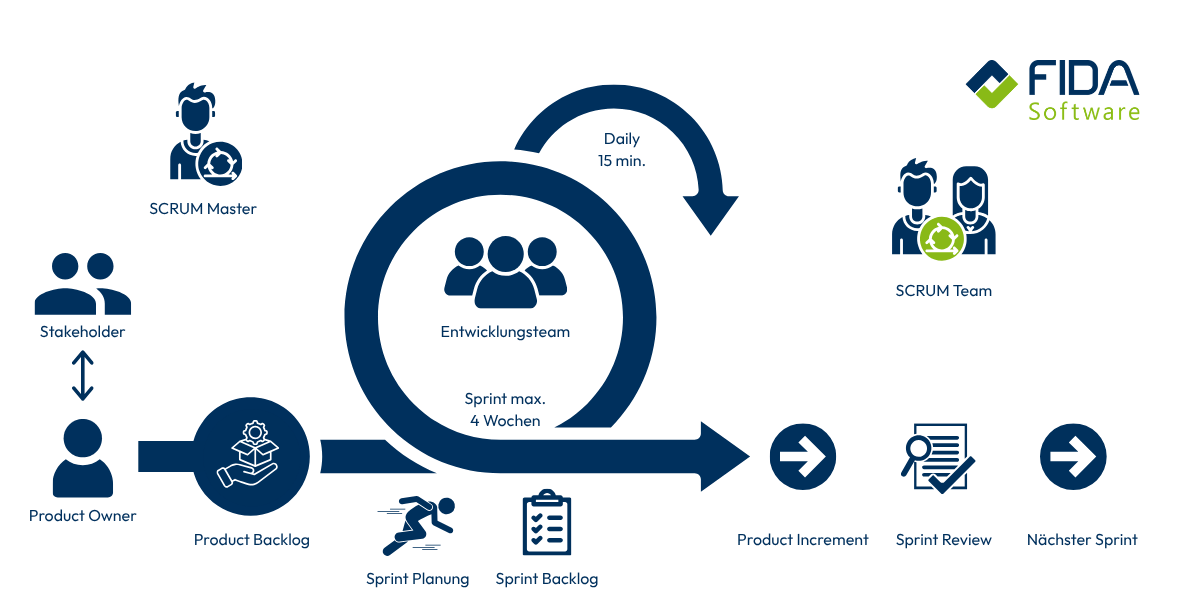
Scrum is an agile framework for product and software development. It aims to work on complex projects in short, fixed periods of time, the sprints. It is based on a few clear principles and a fixed framework:
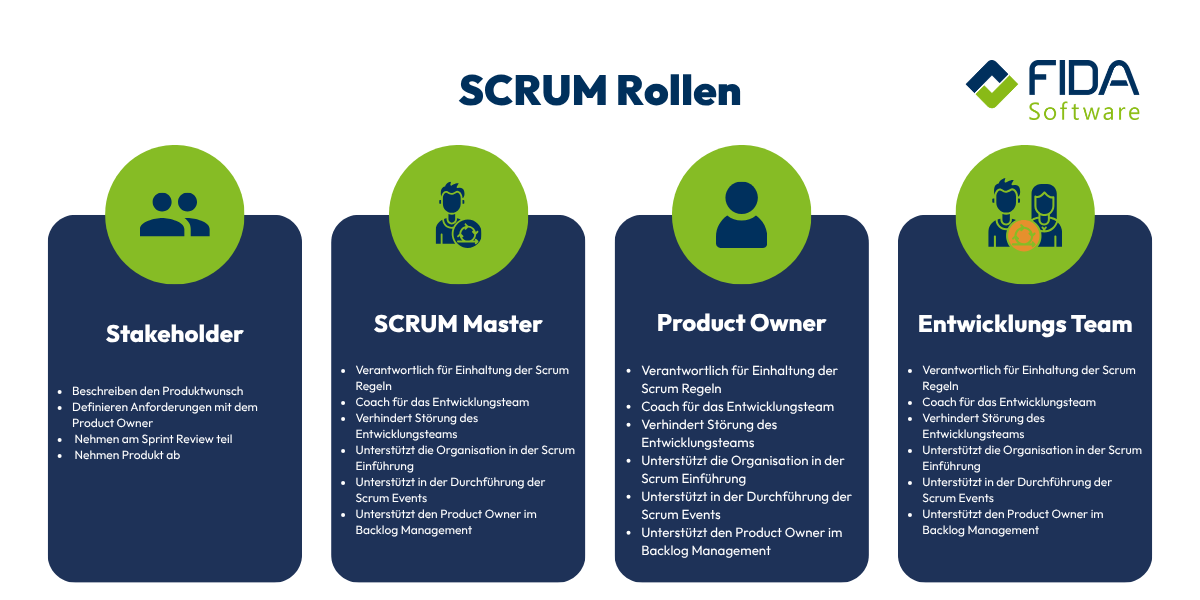
Roles: The SCRUM team consists of the Product Owner, Scrum Master for process and coaching and Developer for implementation.
Events: Sprint planning (sprint planning meeting), daily scrum, sprint review and retrospective.
Artifacts: Product backlog, sprint backlog, increment.
A sprint is usually 1-4 weeks long. The goal is a usable product increment and measurable progress. Scrum creates focus and regular learning loops - part of the work is always geared towards the product goal.
How do I start with Scrum?
Clarify product goal, prioritize backlog, define clear topics.
Designate roles: Product Owner, Scrum Master, Scrum Team.
Determine sprint length, anchor events in the calendar.
Agree definition of done and quality assurance.
Prepare tooling: Board, backlog, metrics.
With this framework, you start effectively and build agility step by step.
Is Scrum still up to date?
Yes, Scrum is up to date if you focus pragmatically on value, results and agility. Modern Scrum teams combine events with data-driven decisions, automate tests, use CI/CD and closely integrate customer feedback. If Scrum becomes a rigid collection of rituals, it loses its impact. As an agile framework for complex development, it remains highly relevant.
When is Scrum particularly suitable?
Product development with clear milestones and a common goal.
When you can actually minimize interruptions.
You want regular feedback loops with sprint reviews and retros.
You value defined roles and a stable framework.
In short: if focus, clarity of purpose and predictability dominate, Scrum is the right methodology.
When does Scrum not make sense?
Scrum frustrates when:
Work is heavily interrupt-driven (incident response, L2 support).
Goals change daily and a sprint focus is impossible.
External dependencies block sprint goals.
There is no product owner with real decision-making power.
You confuse project management with Scrum and only fulfill formalities.
In these situations, Kanban or classic project management is more suitable.
What is Kanban? Explained briefly and simply
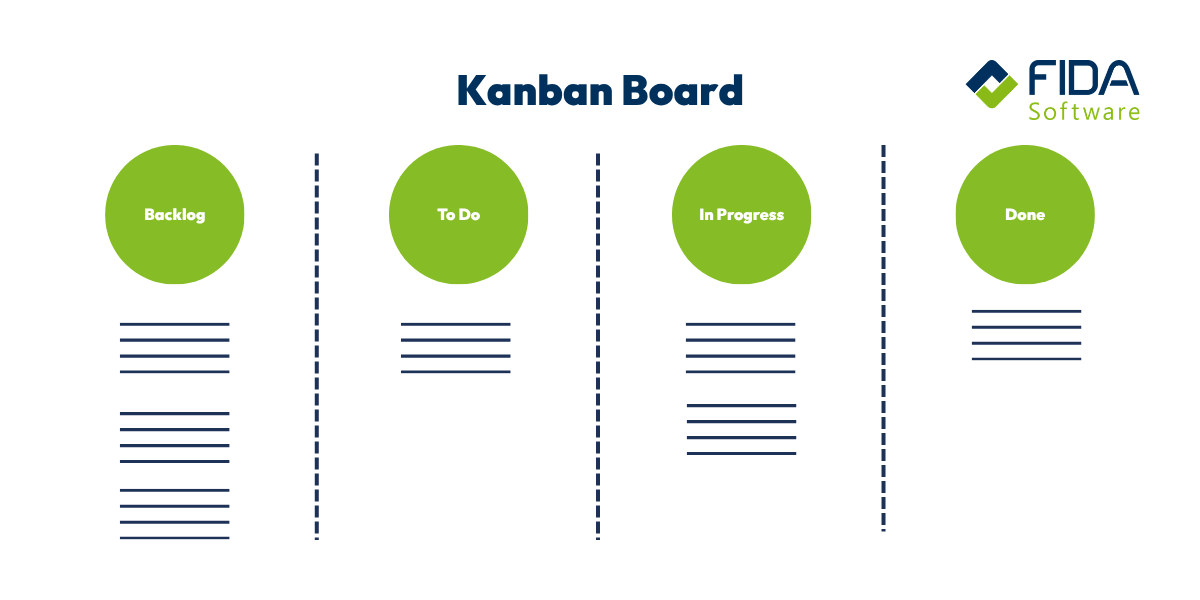
Kanban is a lean management method coined by Taiichi Ohno at Toyota. You visualize the process on a Kanban board, define clear rules (policies) for each column and limit parallel work with work in progress (WIP) limits. Tasks are moved to the next step using the pull principle if capacity is available.
Metrics such as cycle time, throughput and the cumulative flow diagram help you to identify bottlenecks and increase speed and predictability. Kanban does not interfere deeply with your roles - you start quickly and improve continuously.
How do I get started with Kanban?
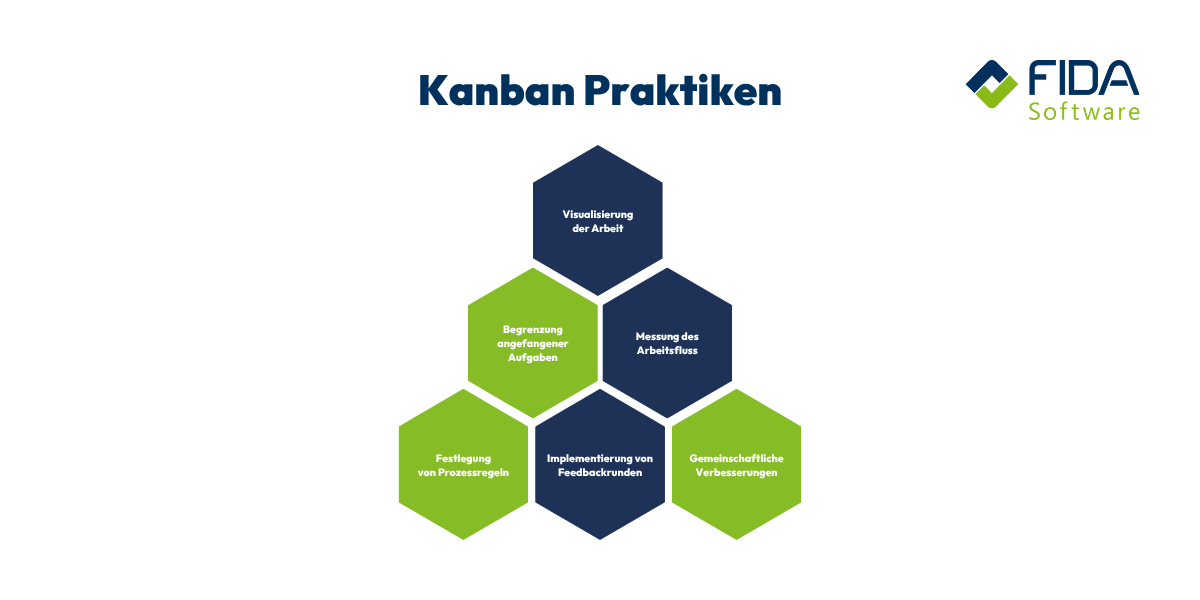
Make the value stream visible and set up a real Kanban board.
Set work in progress limits and take them seriously.
Define clear policies, entry and exit criteria for each column.
Track metrics: cycle time, throughput, cumulative flow diagram.
Introduce regular service reviews and improve the rules iteratively.
Build predictability and speed with small, consistent changes.
When is Kanban particularly suitable?
Many ad-hoc requests, tickets or operational issues.
Heterogeneous tasks that are difficult to cut into sprints.
You want fast optimization without major changes to the methodology.
Bottleneck management, lead time and pull principle are your levers.
Back office or service teams (e.g. processing an invoice, contract approvals).
In short: if flexibility and flow are crucial, Kanban scores points and respects the reality of your project.
When is Kanban not useful?
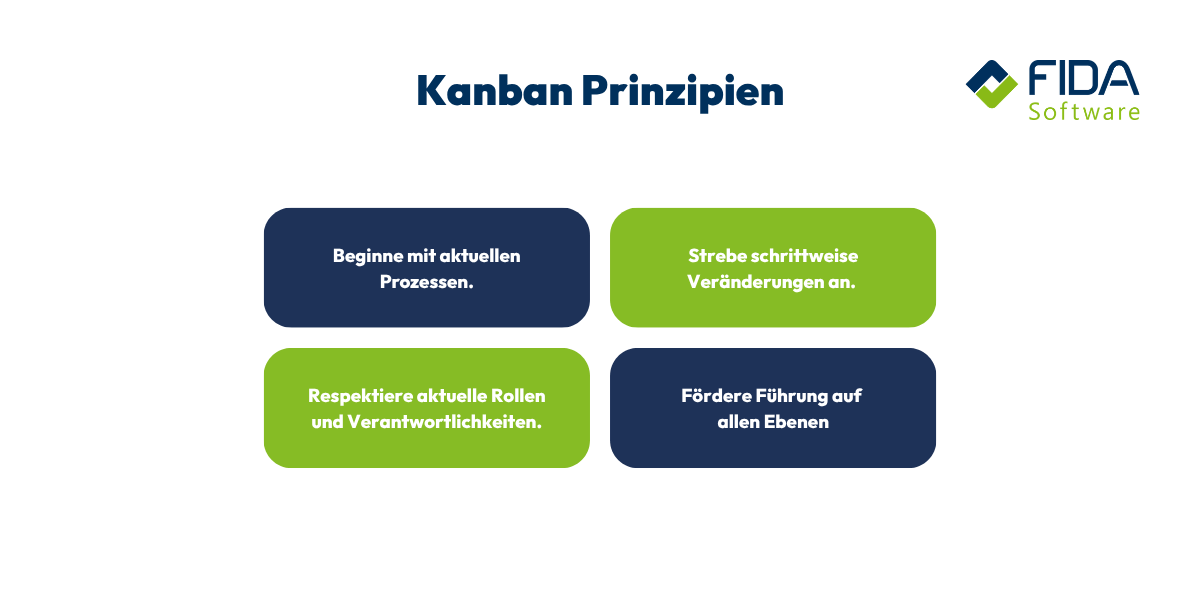
Kanban is strong when rules are adhered to and WIP is limited. Kanban is not useful if:
Prioritization does not work and everything starts at the same time.
The value stream is not visible (unclear steps, no policies).
WIP limits are not accepted.
You have predominantly project-like work with clear milestones and few interruptions.
In such cases, Scrum or a classic project management approach delivers better results.
Why Kanban and not Scrum?
Kanban delivers fast, visible improvements in the flow, without major interventions in roles. You start with a Kanban board, define rules and limit work in progress. Metrics such as cycle time make predictions reliable. For service and support teams or back office work, kanban versus scrum is often decided in favor of kanban: The Kanban method addresses bottlenecks directly and increases speed sustainably.
Switching from Scrum to Kanban: When is it worth it?
Switching from Scrum to Kanban is worthwhile if:
Sprint targets are regularly missed because ad hoc work dominates.
Velocity fluctuates greatly and says little about delivery times.
Stakeholders want reliable, time-based statements.
Too many tasks are running in parallel and bottlenecks are not closing.
Kanban helps to re-establish control and predictability through WIP limits, the pull principle and clear rules.
Scrum versus Kanban: What are the key differences?
Framework vs. flow: Scrum is a framework with sprints and events; Kanban controls continuous flow via policies and limits.
Roles vs. no fixed roles: Scrum has defined roles (Product Owner, Scrum Master); Kanban does not prescribe roles.
Timebox vs. continuous: Scrum works in timeboxes; Kanban reacts continuously to capacity and demand.
Commitments vs. pull: Scrum teams commit to a sprint goal; Kanban teams pull work when space arises.
Metrics: Scrum often uses velocity; Kanban controls more via cycle time, throughput and WIP.
Change: Scrum can require a stronger methodological change in the company; Kanban allows you to optimize evolutionarily.
Process logic: timebox and sprints vs. continuous flow
In Scrum, you plan specific work packages for the next work phase in Planning. You then deliver and reflect in the sprint review and retro. Kanban thinks in flow: tasks go visibly step by step across your Kanban board; rules per column make it clear when something is finished. The effect: Scrum offers protection against constant interruptions, Kanban reduces waiting times and multitasking along real processes.
Planning: Sprint planning vs. continuous planning
Scrum: In sprint planning, you define the goal and scope for the sprint and fill the sprint backlog. This works particularly well if you have prioritized requirements in the product backlog and your team can minimize interruptions.
Kanban: You maintain a ready area and replenish work (replenishment) as soon as capacity is available. This type of planning requires less overhead and adapts to real demand. For environments with many ad-hoc tasks, kanban vs scrum is often a clear choice in favor of kanban.
Meetings in comparison: daily, review, retro vs. demand-oriented coordination
Scrum gives you a fixed cadence: daily for synchronization, sprint review for feedback, retro for improvements. This event structure strengthens collaboration and learning culture. Kanban does not prescribe events, but recommends effective routines: daily flow checks at the board, regular replenishment, service reviews and operations reviews. It is crucial that your meetings improve the flow - not slow it down.
Roles and responsibilities: Scrum team vs. Kanban without fixed roles
Scrum clearly separates responsibilities: Product Owner for value, Scrum Master for process, team members for implementation. This protects focus and available resources. Kanban leaves your existing roles in place and still brings professionalism to management. Whether Scrum or Kanban - without clear responsibilities, the quality and speed of delivery suffers.
Artifacts and rules: Backlogs, increment vs. policies, WIP limits
Scrum: Product backlog, sprint backlog and increment create transparency and clarity of objectives. Clear definition of done ensures quality.
Kanban: Clear rules (policies) per process step, WIP limits and explicit entry and exit criteria per column stabilize your flow. Both make work visible; the difference lies in the control logic - target commitments with Scrum, flow optimization with Kanban.
Boards in use: Scrum Board vs. Kanban Board
Scrum boards show the work of the current sprint and make commitments visible. Kanban boards map your entire value stream - from receipt to delivery. Important similarities: Visibility, clear rules and real mapping of your workflows. What counts for you is that the board shows reality. Otherwise you are managing "nicely", but not effectively.
Metrics: Velocity vs. cycle time, CFD and service level
Scrum often observes velocity - useful but limited for predictions. Kanban uses cycle time, throughput and cumulative flow diagram. This allows you to recognize bottlenecks and build reliable service level expectations (e.g. "80% of tickets in 8 days"). If stakeholders ask for specific delivery times, Kanban is more measurable and often the right choice.
Control and predictability: commitments vs. flow
Scrum creates predictability through fixed sprints and clear goals. Kanban provides predictability through stable flow metrics and consistent WIP control. Both work. Without discipline and good rules, neither Scrum nor Kanban deliver robust statements.
What do Scrum and Kanban have in common?
Both are agile methods, promote transparency, continuous improvement and collaboration.
Both visualize work (boards, backlogs).
Both rely on clear rules and principles.
Both deliver more reliably if you take prioritization seriously.
In short: there are many similarities, but the way they are managed is different.
Scrumban: the pragmatic hybrid approach
Scrumban combines meaningful Scrum events (daily, review, retro) with Kanban practices such as WIP limits and flow metrics. You maintain goals and rhythm without being dogmatically bound to timeboxes. For teams with variable demand that value structure, Scrumban is a flexible, effective solution.

Practical examples: Product development, service and back office
Product development: A team builds a new feature set in software development. Scrum helps with sprint planning, sprint review and clear goals. Stakeholder feedback flows back in a controlled manner.
Service teams: Tickets and incidents arrive daily. Kanban ensures flow, limits work in progress and makes delivery times reliable.
Back office: A Kanban team processes inquiries, orders or an invoice. WIP limits reduce multitasking, shorten lead times and improve collaboration between roles.
What are common mistakes and misunderstandings?
Interpreting velocity as a performance measure instead of a planning variable.
Ignoring WIP limits and still starting everything at the same time.
Boards that do not reflect the real process.
No clear policies per column and lack of definition of done.
Meetings without a concrete purpose and outcome.
Misunderstanding Kanban as "just pushing tickets".
With discipline, clear rules and real metrics, you can avoid these stumbling blocks - in both methods.
Decision-making aid: checklist for your project
Is your goal sprint-compatible (2-4 weeks, clear, measurable)?
Can you make your value stream visible and define binding rules?
Is there a product owner with decision-making power?
Are stakeholder expectations more "deadline" or "service level"?
Do you need quick optimization without major changes?
If a lot points to flow and flexibility, is Kanban or Scrum? Kanban fits better. If focus and clarity of purpose prevail, there is a lot to be said for Scrum.
Conclusion: Your right choice between Kanban or Scrum
Scrum and Kanban are both strong methods with different principles. Scrum gives you focus through sprints, clear roles and events. Kanban improves flow, predictability and speed through work in progress limits, the pull principle and visible rules. Both work - decide according to context, goal and type of work. If you are unsure which methodology has the greatest leverage in your company, talk to us.
Project management with Scrum or Kanban is part of our daily bread. In our consulting, we analyze your process, recommend suitable solutions and support you during the introduction. Whether Scrum, Kanban or Scrumban, we will find the right method for you!
FAQ Scrum or Kanban: Frequently asked questions answered briefly
Scrum is a framework with sprints, events and defined roles. Kanban controls continuous flow via visualization, pull principle, work in progress limits and clear rules. Both provide transparency, but the control logic is different.
If prioritization doesn't work, WIP limits are ignored or you have pure project work with clear milestones. Without a visible process and binding rules, the Kanban method falls flat.
Yes, as an agile framework, Scrum is up-to-date if you focus on results, feedback and continuous optimization. Rigid rituals without outcome make Scrum old; pragmatic Scrum is highly topical.
In the case of strongly interrupt-driven work, daily changing goals, a lack of PO decision-making power or dominant dependencies. Then kanban vs scrum is often clearly to be decided in favor of kanban.
Because Kanban delivers fast effects without major role reorganization. You visualize work, set WIP limits, use flow metrics and increase predictability. Kanban is the right choice, especially in service and support environments.
When sprints regularly break, velocity says nothing about delivery time and stakeholders need concrete time promises. Kanban offers more robust control and clear service levels.


