
Construction Documentation: How to Automate Image Verification with fraudify
Water damage doesn’t become apparent until two years after moving in. The building owner blames the construction company, the construction company points the finger at the plumbing contractor, and no one can say anymore who installed which pipe and when. Situations like these demonstrate why thorough construction documentation is not a burdensome formality, but rather the foundation of every construction project. It records what happens on the job site and protects all parties involved should a dispute arise later.
Construction documentation isn’t just for architects and site managers. Construction companies, tradespeople, and public clients also rely on transparent documentation to complete construction projects in compliance with the law. This article explains what constitutes complete construction documentation, which legal requirements you should be aware of, and how digital tools—including image authenticity verification—can simplify day-to-day work on the construction site.
If construction documentation is missing or incomplete, the party that performed the work generally bears the risk. Contractors may then be unable to provide proof of work performed, clients may be unable to clearly identify the source of defects, and insurers have no reliable basis for assessing a claim. Structured construction documentation prevents precisely these gaps in evidence before they even arise.
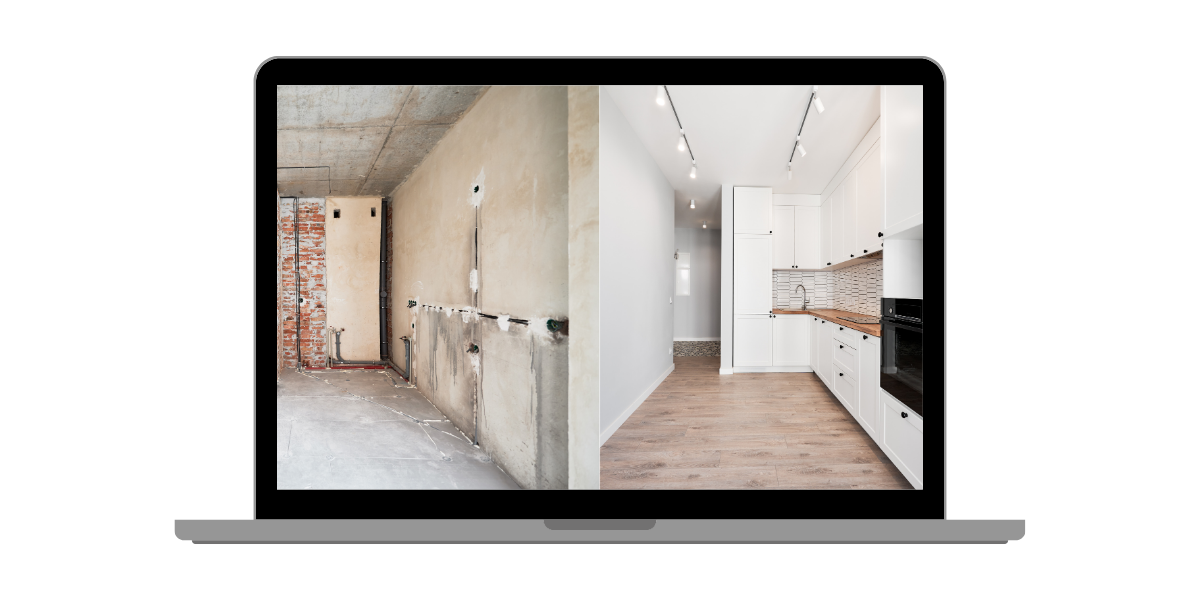
What is construction documentation?
The term “construction documentation” refers to the systematic recording of all important processes during the planning and execution of a construction project. This includes photos, plans, reports, measurements, and written records that provide a complete picture of the construction process. The goal is to be able to verify at any time what was done, when, how, and by whom.
Construction Log, Photo Documentation, and More—An Overview of the Components
The term “construction documentation” encompasses several components: the construction log, photographic documentation, defect reports, acceptance reports, as well as plans and measurements. Each component serves its own purpose; together, they provide a complete picture of the construction project.
How does construction documentation differ from mere photographic documentation?
Photos are an important part of construction documentation, but they are only one part of it. Construction documentation also includes written records, timelines, weather conditions, material lists, and communication between project participants. To learn specifically how to ensure your construction site’s photo documentation is legally compliant using fraudify, read our article on photo documentation with fraudify.
Why is construction documentation indispensable today?
Construction documentation ensures smooth processes and organizes day-to-day project operations. Without it, in the event of a dispute, there is no evidence of who performed a service, when it was performed, and to what standard.
Legal Certainty in the Event of a Dispute
Complete construction documentation serves as legally sound evidence in disputes between the building owner, the client, and the contractors. If a legal dispute arises years later, photos, reports, and the construction log are often the only reliable evidence. Comprehensive documentation also helps prevent misunderstandings from arising in the first place.
Protection against the follow-up costs of construction defects
Construction defects are not the exception but the rule in Germany: According to a study by the Bauherren-Schutzbund and the Institute for Construction Research, approximately 75 percent of all new private residential buildings exhibit defects within the first five years after completion. Good construction documentation contributes to quality assurance because deviations become apparent early on and responsibilities can be clearly assigned.
What legal requirements govern construction documentation?
The format of construction documentation is partially prescribed by law. But what does that mean in practical terms for your day-to-day work?
HOAI: The Construction Log as a Basic Service
For architects and engineers, documenting the construction process is a basic service under Service Phase 8 of the HOAI as soon as they are commissioned to oversee the project. In practice, this means that anyone who fails to maintain a construction log is only partially fulfilling their contractual obligations—with the risk of a reduction in fees.
VOB/B: Supporting Documentation for a Verifiable Final Invoice
In construction contracts under VOB/B, contractors must include quantity calculations, drawings, and other supporting documents with their final invoice so that the invoice is verifiable and becomes due. If this supporting documentation is missing, the client may withhold payment. Ongoing construction documentation is therefore the basis for every final invoice.
How long do you have to keep construction records?
Claims for defects in structures generally become time-barred under Section 634a of the German Civil Code (BGB) only after five years from the date of acceptance. Your construction documentation should be based on this timeframe so that you still have access to complete records in the event of a warranty claim. Different time limits may apply to VOB contracts and in cases of fraudulently concealed defects—if in doubt, it’s worth checking the specific contract.
What does a complete set of construction documents include?
Reliable construction documentation consists of several components that complement one another.
The Construction Log
A construction log documents weather conditions, workers on site, work performed, and any special incidents that occur on the construction site. Ideally, it is updated daily and forms the backbone of the entire documentation.
Photos and Visuals
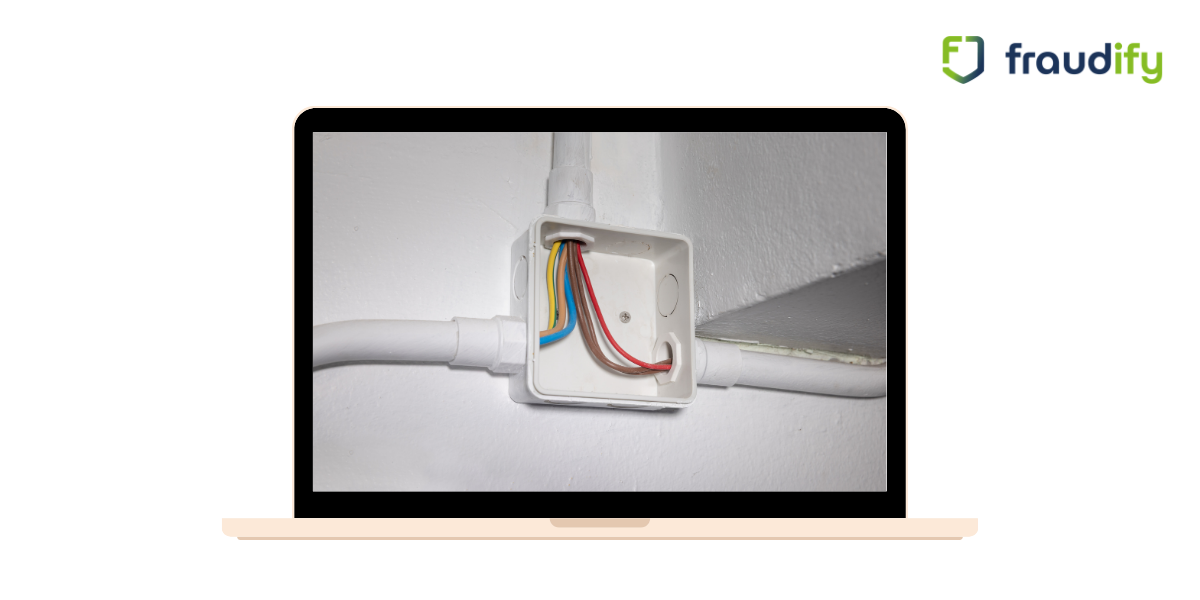
Photos show the progress of construction and the condition of structural components before they are concealed—such as pipes under the subfloor. Photographic documentation should therefore be taken regularly throughout the entire construction process, not just at the time of acceptance. It is advisable to consistently label photos with the date, construction phase, and a brief description so they can be clearly identified later.
Plans, Measurements, and Drawings
Plans and measurements document the quantities that were actually used in construction. They are essential for verifiable billing and highlight deviations from the original plans. Especially in unit-price contracts, accurate measurements determine whether the final invoice will be accepted by the client without further questions.
Defect and Acceptance Reports
Defect management involves maintaining defect reports that document the location, nature, and deadline for rectifying a defect. The acceptance report also specifies whether a service was accepted without defects, with defects, or subject to defects. General wording is of little help here: the more precisely a defect is described and located, the easier it is to track and rectify later.
Correspondence and Other Supporting Documents
Emails, agreements, and delivery slips are also part of the complete construction documentation. They show what agreements were made between the client and the contractor and when.
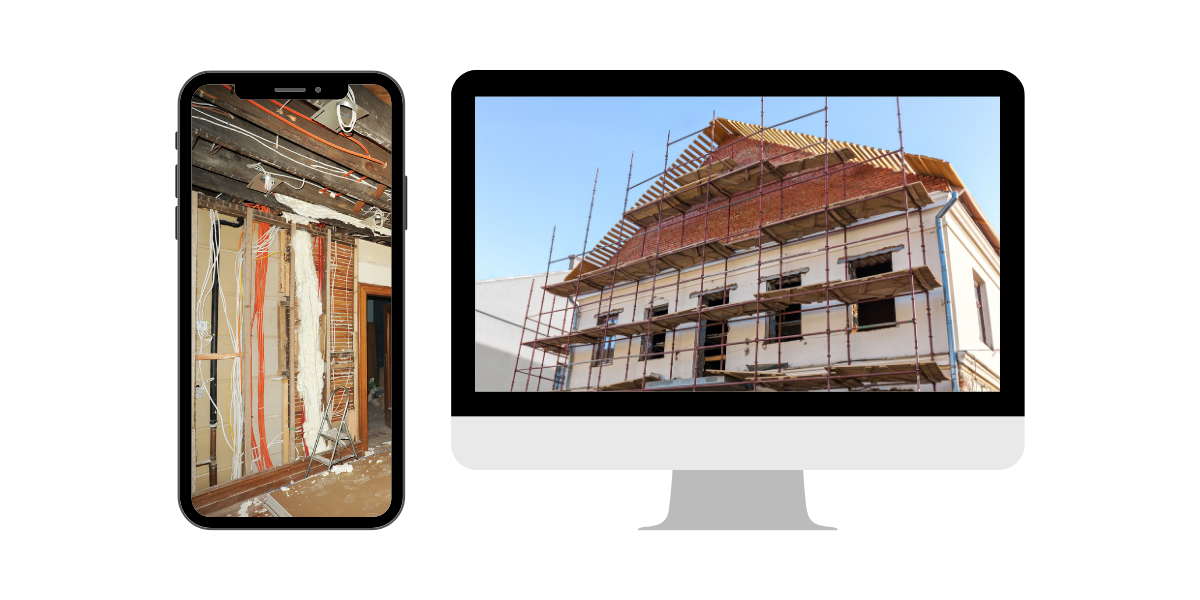
How does construction documentation work in day-to-day project operations?
The construction documentation process generally follows the phases of a construction project.
Before construction begins: Clarify requirements and responsibilities
Before breaking ground, clarify who is responsible for which documents, how frequently documentation will be created, and which software or templates will be used. This will save you from having to deal with discussions about missing documentation later on. Contractual requirements from the client—such as those regarding photo formats or reporting intervals—should also be included in this early planning phase.
During construction: Document continuously
Anything that will no longer be visible once construction progresses must be recorded beforehand—for example, pipes, rebar, or waterproofing. Timely documentation is therefore more important than documentation reconstructed retrospectively. If an event is not recorded until days later, details such as exact times or the trades involved often can no longer be reliably reconstructed.
At the time of acceptance: Document condition and defects
The final inspection requires a detailed report with photos that clearly describes the condition of the structure. Vague phrasing such as “various defects on the ground floor” is worthless in the event of a dispute—each defect requires a specific description and location.
After project completion: archive rather than forget
The obligation to document does not end with the handover. Complete, well-organized construction documentation is crucial for future maintenance work and in the event of a warranty claim.

What challenges do you face in practice?
As clear as the requirements may sound, the reality of day-to-day work on the construction site is often quite different.
Time Pressure on the Construction Site
Site managers and foremen juggle their time between the job site, the office, and construction meetings. As a result, documentation can quickly fall by the wayside—until important details are forgotten yet again.
Incomplete or delayed entries
If a construction log is filled in from memory at the end of the week, details get lost. It’s precisely these gaps that become a problem in the event of a dispute.
Lack of photographic documentation
Crucial photographic documentation is often carried out with little care. Especially when many different contractors are active across a large number of construction sites, reviewing photos can quickly become confusing.
Unclear Responsibilities Among Trades
In projects involving multiple trades, it is often not clearly defined who is responsible for documenting which specific areas. Without clear guidelines, this results in duplicate work in some areas and blind spots in others.
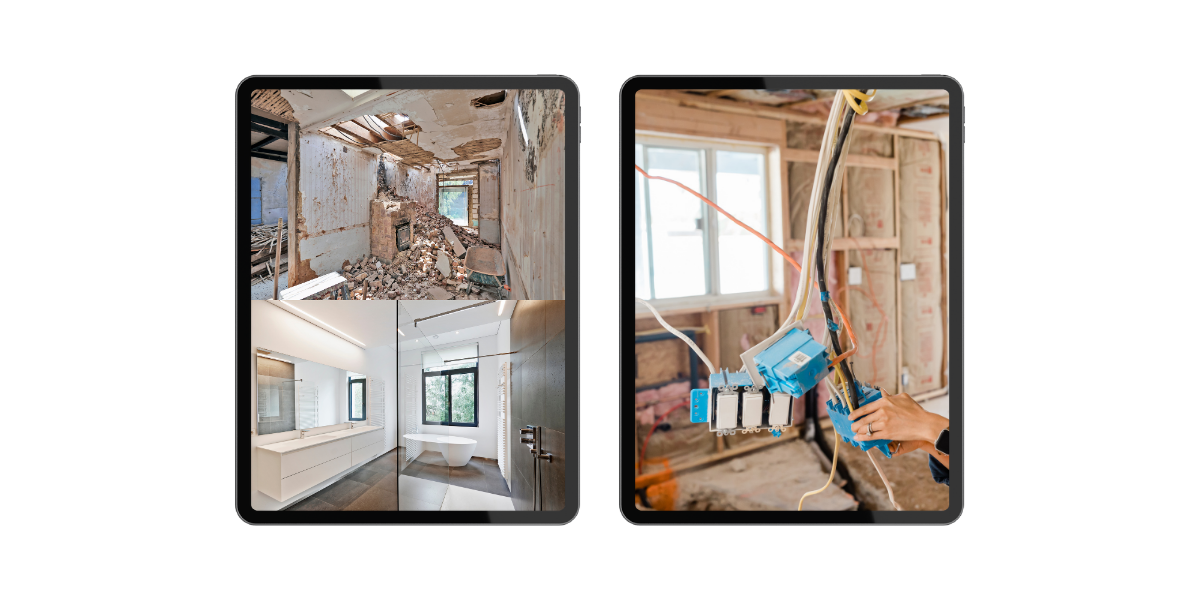
How can digital tools make construction documentation easier?
Digital and mobile tools can make construction documentation significantly more efficient without changing the content requirements.
What are the benefits of a construction site app compared to paper?
Instead of typing up notes from sticky notes in the office, construction managers capture photos, defects, and notes directly on-site using a smartphone or tablet. Via the cloud, the data is immediately available to everyone involved in the project—without having to go through email or the office. Reports can be generated at the touch of a button, which creates additional transparency for the client and the building owner.
A Look at Real-World Application: PlanRadar as an Example
The example of a widely used provider of construction site software illustrates just how significant the impact of digital documentation is on day-to-day operations: According to the company’s own figures, approximately 170,000 professionals in more than 75 countries use the PlanRadar platform, and 91 percent of users report that it helps them work more efficiently. Even though the specific figures vary from provider to provider, this example illustrates the underlying trend: Digital construction documentation saves time and reduces downtime on the construction site.
The provider BauMastermakes a similar case ;it provides a digital construction file for each project to consolidate photos, plans, and reports in one place. The common thread among such solutions: information is no longer scattered across paper, email inboxes, or individual employees’ computers, but is instead stored centrally and accessible to all authorized users.
Why It’s Worth the Financial Investment
Construction site overhead costs—that is, costs for site setup, construction management, and organization— typically account for 5 to 10 percent of a construction project’s total production costs. Structured, digitally supported construction documentation is one of the few levers that can be used to significantly reduce this percentage—for example, by reducing rework, shortening coordination processes, and speeding up invoice verification.
What vulnerability remains despite digital construction documentation?
No matter how much software takes over—one issue remains unresolved even with digital tools: the authenticity of the submitted images.
Why the authenticity of construction photos matters
Photos are the most vivid form of evidence in construction documentation. However, in court or when dealing with an insurance company, it’s not just what’s visible in the image that matters, but also whether the image is unaltered and was taken at the specified time. While an app can save a photo and add a timestamp, it generally doesn’t verify whether the image is actually unedited.
Common Forms of Manipulation in Damage and Construction Photos
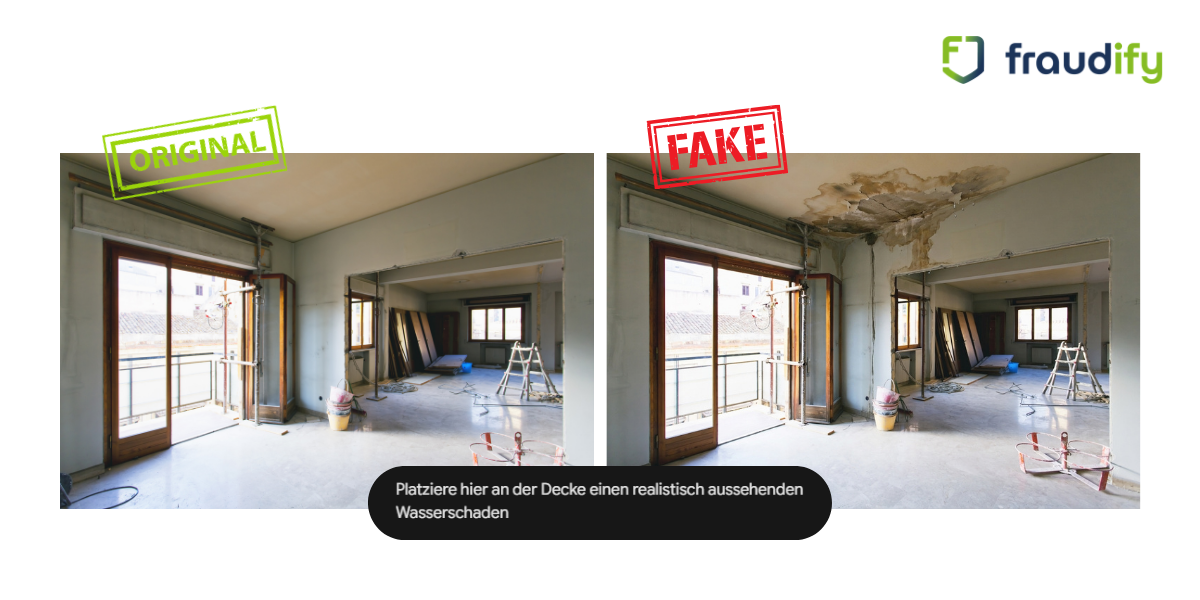
In practice, images are sometimes edited after the fact, reused from a different context, or given a false timestamp—for example, to make an existing defect appear as if it had just occurred or to substantiate a claim of damage that never actually took place. For construction companies, insurers, and public contracting authorities, this is a real risk that goes beyond mere data collection.

How exactly does fraudify support construction documentation?
This is exactly where fraudify comes in: Our AI-powered image forensics solution automatically checks submitted image files for signs of manipulation—thereby adding a layer to traditional construction documentation that has often been missing until now.
Automated Check for Image Manipulation
Fraudify’s image forensics analyzes construction site photos using various forensic methods and reveals whether and where an image has been altered after the fact. This applies to traditional image editing as well as AI-generated or AI-altered images.
Metadata Check and Reverse Image Search
In addition, fraudify checks an image’s metadata and performs an automated reverse image search on the internet. This makes it possible to determine whether a supposedly recent construction site photo already exists elsewhere online.
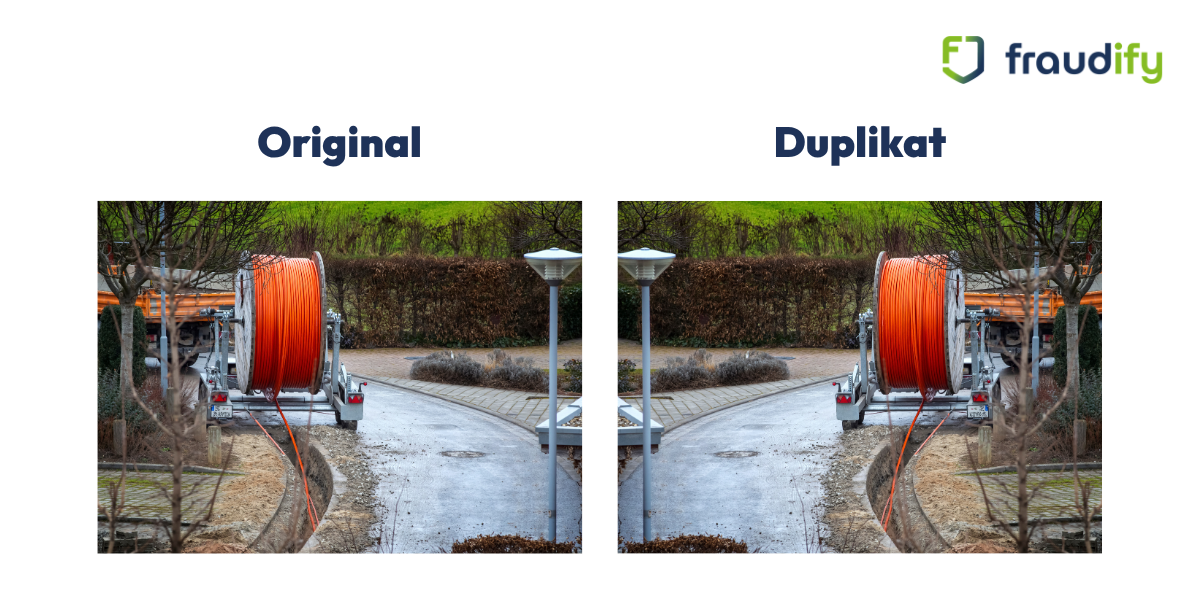
Duplicate check for photos from previous cases
With the integrated duplicate check, you can determine whether an image has already been used in a previous case. This is particularly relevant for insurance claims on construction sites, where the exact same damage photo may be submitted for multiple claims.
Why It’s Worth Using in Construction Documentation
For internal construction documentation, image verification is particularly valuable in situations where photos serve as evidence: when documenting construction damage, in cases of disputed defects, and wherever images form the basis for payments or claims. fraudify does not replace a construction log or a construction site app, but it complements both by providing reliable verification of image authenticity.
For insurers and public contractors who work with sensitive construction and damage data, data protection is also a key consideration. The image forensics module is GDPR-compliant and can be operated both in the cloud and on-premises, ensuring you retain control over your data.
Example 1: Work That Is No Longer Visible Afterward
A construction company receives photos from a subcontractor as proof of plumbing work that has already been completed but is now concealed. Since the invoice is unusually high, the construction management team has the submitted images reviewed before approving payment. Image forensics reveals that one of the photos had already been used months earlier on another project by the same subcontractor. Without this review, the discrepancy would likely not have been noticed until the final inspection, by which time the actual work would no longer have been visible.
Example 2: Insurance Fraud Using an Old Photo
A second example from the insurance industry: Following water damage at a construction site, a contractor submits photos for the claims settlement. A metadata check reveals that one of the photos was taken weeks before the reported date of the damage. This allows the insurer to scrutinize the damage report thoroughly rather than rushing to settle the claim based on a potentially misleading image.
Example 3: Proof of Work to Secure Subsidies
The example of EWE NETZ GmbH illustrates how image verification with fraudify works in practice. The distribution network operator is responsible for the subsidized fiber-optic expansion in its service area—largely implemented by external service providers who continuously submit construction site photos. As the scope of the project grew, the number of images to be reviewed quickly rose into the thousands, meaning that traditional manual visual inspection was increasingly reaching its limits.
Using fraudify’s duplicate check, EWE NETZ automatically identifies similar or duplicated images, even if they differ in minor details. The result: a standardized, significantly faster review of large volumes of images and traceable documentation for the subsidized construction phases.

Best Practices for Robust Construction Documentation
Good construction documentation follows a few clear principles. It should:
be complete and cover all relevant trades and construction phases,
be completed in a timely manner, rather than being reconstructed from memory at the end of the week,
be structured in a way that’s easy to follow—for example, by date, construction phase, or trade,
combine photos, plans, and reports rather than relying on a single source,
be stored centrally and be accessible to all authorized users, for example in a cloud solution,
and, in the case of disputed or safety-related images, be additionally verified for authenticity.
Supplement construction documentation with visual inspections to lay the foundation for legally compliant construction projects
Construction documentation is more than just an administrative burden. It is the foundation upon which legal certainty, quality, and trust among all project participants are built. A construction log, photos, plans, and reports are just as much a part of this as a clear structure and defined responsibilities within the team.
Digital tools significantly simplify ongoing data collection, but they generally do not verify whether a submitted photo is actually genuine. Fraudify’s image forensics closes precisely this gap—serving as a valuable complement to construction logs and construction site apps wherever images are used as evidence of construction work, defects, or damage.
FAQ: Frequently Asked Questions About Fraudify in the Construction Documentation
fraudify is FIDA’s AI-powered image forensics solution. It automatically checks submitted image files for tampering, analyzes metadata, and performs a reverse image search on the Internet. In construction documentation, fraudify thus complements the construction log and construction site app by providing reliable verification of image authenticity.
Fraudify examines an image using several specialized forensic methods simultaneously. It analyzes editing traces, metadata, and image characteristics such as transitions or blurring to reveal even minor subsequent alterations.
Yes. Fraudify distinguishes between traditionally processed images and those generated or modified by AI. In addition, it uses generalized models that can also detect forgeries created with previously unknown tools.
No. fraudify does not replace either the construction log or a construction site app; rather, it adds an additional layer of verification to both. While the construction log and the app document the workflow and organization of the construction site, fraudify specifically verifies whether a submitted photo is actually genuine.
Yes. fraudify uses data anonymization and modern security standards, thereby complying with the requirements of the GDPR. The solution can be deployed both in the cloud and on-premises, so you retain full control over your data.
Yes. fraudify features modern REST APIs and a flexible architecture, allowing the solution to be integrated into existing inspection, claims, or documentation processes without requiring significant IT effort—regardless of whether you already use a construction site app or an internal claims management system.
fraudify is designed for anyone who needs to verify construction photos as evidence: insurers handling claims, construction companies dealing with disputed documentation from subcontractors, and public contracting authorities that approve grants or subsidies based on submitted images.
FIDA does not offer a publicly available trial version of fraudify. Upon request, the team will show you the key features in a personalized demo and, if you wish, will also verify the authenticity of your sample images in real time.


